
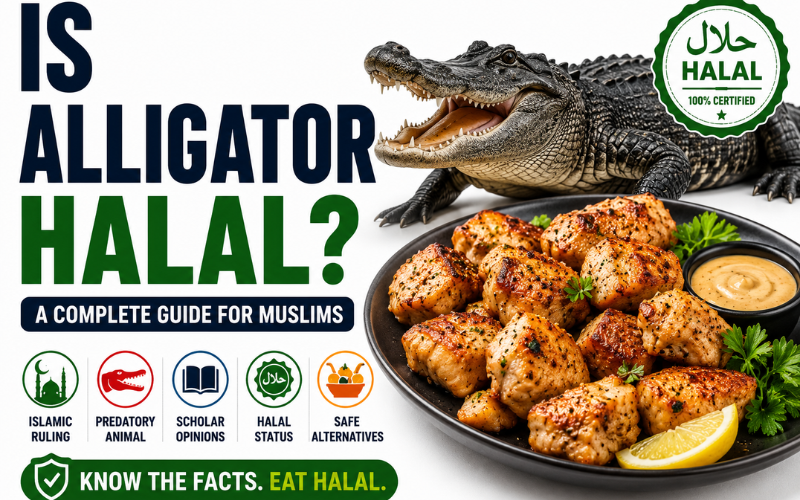
Alligator meat is eaten in some parts of the world, especially in areas where alligators are commonly found. It is often described as lean meat with a mild flavor, and it may be fried, grilled, or used in other dishes. But for Muslims, an important question comes first: Is alligator halal?
The answer is not the same according to all Islamic scholars. The main issue is how alligators are classified under Islamic dietary rules. Alligators live in water but also spend a lot of time on land, so scholars may apply different rules when deciding whether their meat is permissible.
Some scholars consider alligator not halal because it is a predatory animal with sharp teeth. Others have different views based on their interpretation of the rules concerning sea and land animals.
The way the animal is classified is therefore important, and this is why Muslims may find different answers about alligator meat. Islamic school of thought can also affect the ruling.
In this guide, you will learn what Islamic scholars say about alligator meat, why opinions differ, and which factors should be considered before eating it. This can help you understand the issue clearly and follow the ruling you trust.
Short Answer
Most Islamic scholars consider alligator haram because it is a predatory amphibious reptile with fangs and hunting behavior.
What Is an Alligator?
Alligator is a large reptile found mainly in:
- Freshwater swamps
- Rivers
- Wetlands
- Marshes
Alligators are closely related to crocodiles and are known for:
- Sharp teeth
- Carnivorous diets
- Strong hunting instincts
- Amphibious lifestyles
These characteristics play an important role in Islamic rulings.
Why Halal Status Matters
For food to be halal in Islam:
- The animal must be permissible
- It should not belong to prohibited categories
- Proper slaughter rules must be followed for land animals
Scholars examine the nature and behavior of animals carefully before determining halal status.
Islamic Rules About Animals
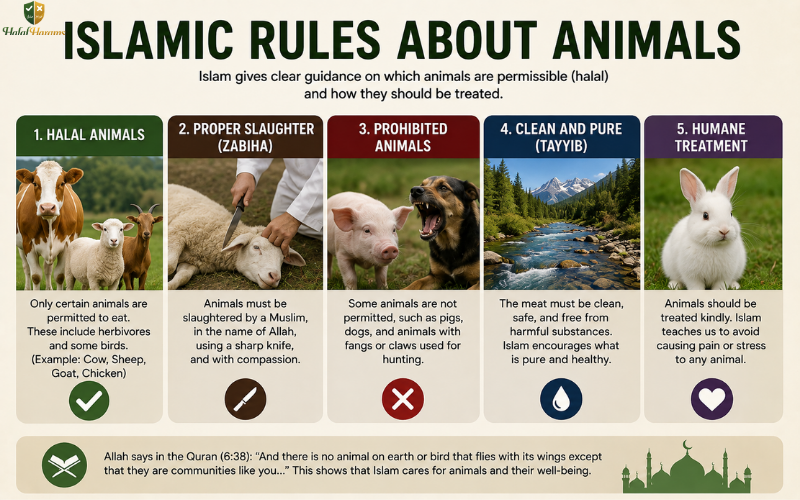
Islamic dietary laws divide animals into categories:
- Halal animals
- Haram animals
- Doubtful animals
General Animal Categories
| Animal Type | Halal Status |
|---|---|
| Herbivorous livestock | ✅ Halal |
| Predatory land animals | ❌ Haram |
| Fish | ✅ Halal |
| Amphibious animals | ⚠️ Scholarly debate |
Alligators are usually placed in the predatory category.
See Also: Is McDonald’s Halal
Why Most Scholars Consider Alligator Haram
Most scholars prohibit alligator because:
- It is a predator
- It has sharp teeth and hunts prey
- It resembles crocodiles
- It lives both on land and in water
Main Reasons for Prohibition
| Reason | Explanation |
|---|---|
| Predatory nature | Hunts other animals |
| Sharp fangs | Included in prohibited predator category |
| Amphibious lifestyle | Not classified as ordinary fish |
| Similarity to crocodiles | Usually ruled the same |
Predatory behavior is a major factor in Islamic rulings.
What Does Islam Say About Predatory Animals?
Several Islamic teachings prohibit animals with:
- Fangs
- Hunting behavior
- Carnivorous predatory instincts
Predator Animal Examples
| Animal | Halal Status |
|---|---|
| Lion | ❌ Haram |
| Tiger | ❌ Haram |
| Wolf | ❌ Haram |
| Crocodile | ❌ Haram |
| Alligator | ❌ Mostly considered haram |
Scholars commonly apply these rulings to alligators.
Is Alligator Considered Seafood?
Some people argue alligator should be halal because it spends time in water.
However:
- Alligators are reptiles, not fish
- They also live on land
- They hunt using predatory behavior
Most scholars do not classify alligators as permissible seafood.
Difference Between Fish and Alligator
Fish are generally halal in Islam, but alligators differ significantly.
Fish vs Alligator
| Feature | Fish | Alligator |
|---|---|---|
| Species type | Fish | Reptile |
| Predatory fangs | No | Yes |
| Amphibious | No | Yes |
| Islamic ruling | Halal | Mostly haram |
The biological and behavioral differences are important.
Scholarly Opinions on Alligator Meat
Most Islamic scholars prohibit alligator meat.
Scholarly Perspectives
| School/Opinion | Ruling |
|---|---|
| Majority scholars | ❌ Haram |
| Strict interpretations | ❌ Haram |
| Minority opinions | ⚠️ Doubtful |
The majority opinion strongly discourages consumption.
Is Alligator Similar to Crocodile?
Yes, alligators and crocodiles are very similar.
Both:
- Are reptiles
- Hunt prey
- Have strong jaws and teeth
- Live in water and on land
Since crocodile is widely considered haram, many scholars apply the same ruling to alligators.
Can Alligator Be Halal If Slaughtered Properly?
Most scholars say no because:
- The animal itself is considered impermissible
- Proper slaughter does not change prohibited status
Halal slaughter only applies to animals already considered permissible.
Alligator Meat in Restaurants
Some restaurants serve:
- Fried alligator
- Alligator nuggets
- Grilled alligator meat
Restaurant Concerns
| Concern | Risk |
|---|---|
| Non-halal preparation | High |
| Cross-contamination | Medium |
| Alcohol-based marinades | Medium |
Even preparation methods may create additional concerns.
Why Some People Think Alligator Might Be Halal
Some people assume alligator is halal because:
- It spends time in water
- Seafood is often halal
- Exotic meats create confusion
However, most scholars reject this comparison.
Amphibious Animals in Islam
Amphibious animals are often debated in Islamic law.
Amphibious Animal Rulings
| Animal | Common Ruling |
|---|---|
| Frog | Haram |
| Crocodile | Haram |
| Turtle | Scholarly debate |
| Alligator | Mostly haram |
Amphibious creatures often receive stricter rulings.
Nutritional Value of Alligator Meat
Alligator meat contains:
- Protein
- Iron
- Vitamins
Nutrition Overview
| Nutrient | Benefit |
|---|---|
| Protein | Muscle support |
| Iron | Blood health |
| Vitamin B12 | Energy support |
Nutritional value does not determine halal status.
Common Misconceptions
“Anything from water is halal”
Not all water animals are automatically halal according to every scholar.
“Alligator is basically fish”
Alligators are reptiles, not fish.
“Halal slaughter makes any animal halal”
The animal itself must already be permissible.
Why Muslims Avoid Alligator
Many Muslims avoid alligator because:
- Majority scholars prohibit it
- It resembles crocodiles
- It belongs to predatory animal categories
Avoiding doubtful food is encouraged in Islam.
Related Post: Is Squid Halal? Complete Guide for Muslims(2026)
Safer Halal Alternatives
Instead of alligator, Muslims can choose:
- Fish
- Shrimp
- Chicken
- Beef from halal sources
These foods provide clearer halal certainty.
How Scholars Make These Decisions
Islamic scholars examine:
- Quranic teachings
- Hadith
- Animal behavior
- Scientific classification
- Traditional rulings
Multiple factors are considered together.
Why This Topic Matters
Understanding whether alligator is halal matters because:
- Exotic meats are becoming more common
- Muslims want clarity about unusual foods
- Scholarly opinions help guide dietary decisions
Knowledge helps Muslims avoid doubtful situations.
Looking for more answers? Check out these free halal guides to learn about other foods and ingredients.
- Is Catfish Halal? Complete Guide For Muslims(2026)
- Is Tuna Halal? Complete Guide For Muslims(2026)
- Is Sushi Halal? A Complete Guide for Muslims
- Are Pop-Tarts Halal? A Complete Guide for Muslims
- Is Cheese Halal? A Complete Guide for Muslims
FAQs
Is alligator halal
Most Islamic scholars consider alligator haram because it is a predatory amphibious reptile.
Why is alligator considered haram
It has fangs, hunts prey, and resembles crocodiles, which are generally prohibited in Islam.
Is alligator seafood
No, alligator is classified as a reptile rather than fish.
Can alligator become halal through slaughter
Most scholars say no because the animal itself is considered impermissible.
Do scholars agree about alligator meat
The majority opinion considers it haram, though a few minority views may differ.
What is the safest option for Muslims
Avoiding alligator meat and choosing clearly halal foods is generally considered safest.
Final Remarks
Alligator meat remains one of the more controversial exotic foods discussed in Islamic dietary law. While some people compare alligators to seafood because they live in water, the majority of Islamic scholars classify them as predatory reptiles and therefore consider them haram. Their sharp teeth, hunting behavior, and similarity to crocodiles strongly influence this ruling. Since halal dietary laws aim to guide Muslims toward permissible and pure foods, many Muslims choose to avoid alligator entirely. Understanding scholarly opinions and Islamic principles helps believers make informed decisions while maintaining confidence in their dietary choices.
