
Introduction
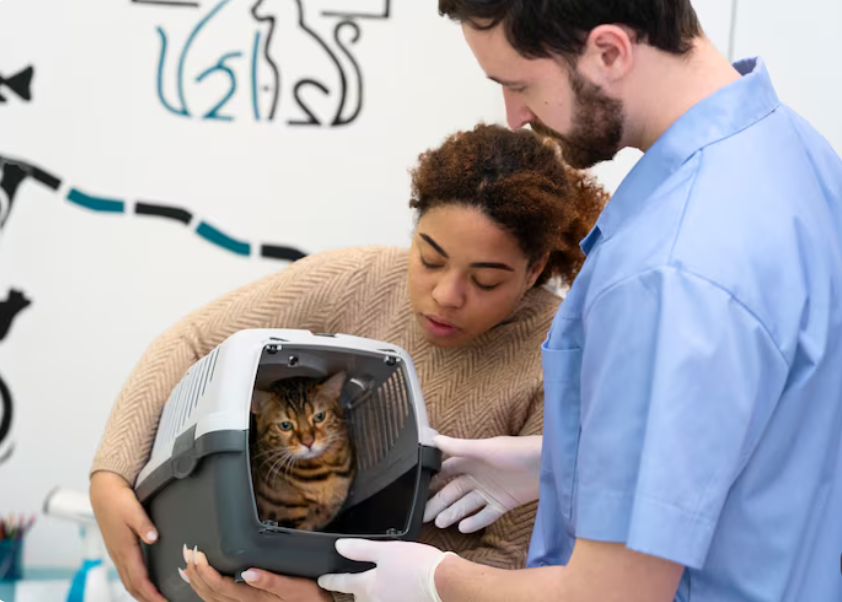
Taking a cat to the veterinarian can be challenging for both pets and their owners. Unfamiliar environments, unusual sounds, and physical examinations may cause anxiety, making routine healthcare appointments stressful. Fortunately, positive reinforcement techniques offer a practical way to improve a cat’s comfort with handling and veterinary procedures.
Clicker training is a reward-based learning method that helps cats understand which behaviors earn positive outcomes. When combined with cooperative care exercises, it can encourage cats to participate voluntarily in grooming, examinations, and other essential activities.
With patience and consistency, cat owners can use clicker training to build trust and make veterinary visits more manageable.
What Is Clicker Training for Cats?
Clicker training uses a small handheld device that produces a distinctive clicking sound. The sound acts as a marker, signaling that the cat has performed a desired behavior and will receive a reward.
The process begins by associating the click with something enjoyable, usually a small food treat.
Over time, cats learn that specific actions lead to positive experiences.
Clicker training can be used to teach behaviors such as:
- Entering a pet carrier voluntarily.
- Sitting calmly on a designated mat.
- Allowing gentle paw handling.
- Approaching unfamiliar objects.
- Remaining comfortable during brief examinations.
- Cooperating with basic grooming activities.
Unlike punishment-based approaches, clicker training focuses on rewarding desirable behaviors.
Understanding Cooperative Care
Cooperative care involves teaching animals to participate willingly in routine handling and healthcare procedures.
Instead of relying entirely on physical restraint, owners encourage cats to communicate comfort through trained behaviors.
For example, a cat may learn to rest its chin on a towel while receiving a gentle examination.
The cat’s participation indicates readiness, while moving away signals that the activity should pause.
This approach helps create more predictable experiences and supports a stronger relationship between cats and caregivers.
How to Start Clicker Training
1. Introduce the Clicker
Begin in a quiet, familiar environment.
Click the device once and immediately offer a small treat. Repeat several times until the cat begins associating the sound with a reward.
If the clicker sound frightens your cat, use a softer marker, such as a quiet verbal cue.
2. Reward Simple Behaviors
Start with easy actions, such as looking toward your hand or approaching a training mat.
Click immediately when the desired behavior occurs, then provide a reward.
Accurate timing helps the cat understand which action earned the treat.
3. Keep Sessions Short
Cats often respond well to brief, enjoyable training sessions.
Start with two to five minutes and observe your cat’s interest.
End sessions before the cat becomes frustrated or distracted.
4. Increase Difficulty Gradually
Once the cat understands basic behaviors, introduce more complicated exercises.
Avoid rushing because successful cooperative care depends on maintaining confidence and trust.
Teaching Cats to Accept Veterinary Handling
Paw Handling
Begin by rewarding your cat for allowing your hand near its paw.
Gradually progress to brief touches, gentle lifting, and eventually exposing a claw.
This preparation can make routine nail trimming easier.
Ear Examinations
Reward the cat for remaining relaxed while your hand approaches its ears.
Slowly introduce gentle external ear handling without forcing movement.
Never insert objects into the ear canal during training.
Mouth Checks
Start by rewarding calm behavior when your hand approaches the cat’s face.
Gradually introduce brief lip lifting, allowing the cat to become familiar with the movements associated with dental examinations.
Body Examinations
Teach your cat to remain on a comfortable mat while you gently touch different areas of its body.
This exercise can help prepare the cat for routine veterinary assessments.
Making Carrier Training Easier
For many cats, anxiety begins before reaching the veterinary clinic.
Carrier training helps reduce negative associations with transportation.
Place the carrier in a familiar area with its door open. Add comfortable bedding and reward the cat for approaching or entering voluntarily.
Gradually encourage the cat to remain inside for short periods.
Once comfortable, introduce brief door closures, lifting the carrier, and short practice journeys.
Progress should always match the cat’s comfort level.
Recognizing Signs of Stress
Successful cooperative care requires understanding feline body language.
Common signs of discomfort include:
- Flattened ears.
- Tail flicking or rapid tail movements.
- Dilated pupils.
- Growling or hissing.
- Attempts to escape.
- Sudden freezing or withdrawal.
If these behaviors appear, pause the activity and return to an easier training step.
Never punish a cat for expressing discomfort.
Benefits of Clicker Training
Clicker training offers several advantages for cats and their caregivers.
Reduced anxiety: Familiar routines may make handling less intimidating.
Improved communication: Cats learn predictable behaviors that allow them to participate in care.
Stronger trust: Reward-based interactions encourage positive relationships.
Easier routine care: Grooming and basic examinations may become more manageable.
Mental enrichment: Training provides stimulation and opportunities for problem-solving.
Working with Veterinary Professionals
Although home training can improve cooperation, it cannot replace professional veterinary care.
Some medical procedures require restraint, medication, or sedation to protect the animal and veterinary team.
Owners should communicate their cat’s training progress and handling preferences to veterinary professionals.
Fear-free handling strategies can help create a more comfortable clinical experience.
Conclusion
Clicker training provides a gentle and effective approach to teaching cats cooperative care behaviors. By rewarding voluntary participation and respecting feline body language, owners can help their pets become more comfortable with handling, grooming, and veterinary routines.
While completely stress-free visits cannot be guaranteed, consistent training can reduce anxiety and improve the overall healthcare experience.
Read More :Is Bitcoin Halal or Haram? An Islamic Guide to Cryptocurrency

1 comment