
Introduction
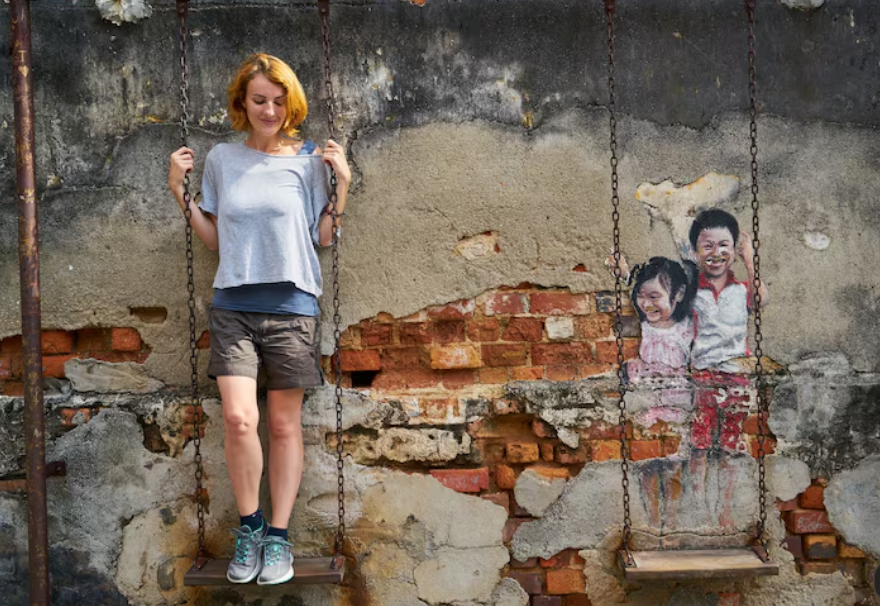
Street murals are more than colorful decorations on buildings. They are powerful forms of public art that preserve memories, celebrate local identities, and tell stories that might otherwise disappear. Across cities and neighborhoods, artists transform ordinary brick walls into visual records of community experiences, historical events, and cultural traditions.
As neighborhoods change through urban development, migration, and modernization, street murals serve as reminders of the people and events that shaped their surroundings. By combining artistic expression with historical storytelling, these artworks create meaningful connections between the past and present.
Understanding Street Murals as Civic Memory
Civic memory refers to the shared experiences, traditions, and historical events that shape a community’s identity. Unlike traditional history books or museum exhibitions, street murals bring these memories directly into public spaces.
A mural might depict influential community leaders, important social movements, traditional celebrations, or everyday neighborhood life. These images allow residents to recognize their collective heritage while introducing visitors to stories that define the area.
Because murals are accessible to everyone, they make local history more visible and encourage people to reflect on their community’s development.
Preserving Neighborhood Histories Through Art
Many neighborhoods have rich histories that receive limited attention in official historical records. Street murals offer an opportunity to document these overlooked stories through creative expression.
Artists often collaborate with longtime residents, historians, and cultural organizations to gather information about the neighborhood’s past. Old photographs, personal memories, and historical documents can inspire mural designs that accurately represent community experiences.
For example, a mural might illustrate the transformation of an industrial district into a residential neighborhood or honor generations of workers who contributed to local development.
By presenting these stories visually, murals help preserve historical knowledge for future generations.
Celebrating Cultural Identity and Diversity
Neighborhoods frequently bring together people from different cultural, ethnic, and social backgrounds. Street murals celebrate this diversity by highlighting traditions, languages, artistic styles, and historical experiences.
Artists may incorporate traditional patterns, cultural symbols, portraits, and meaningful colors into their designs. These elements create artwork that reflects the unique character of a community.
Murals also provide opportunities for underrepresented groups to share their perspectives. When residents see their histories and traditions represented in public spaces, it can strengthen their sense of belonging and cultural pride.
Encouraging Community Participation
One of the most valuable aspects of street mural projects is their ability to involve local communities in the creative process.
Community organizations and artists often arrange workshops, discussions, and collaborative painting sessions before completing a mural. Residents can share stories, suggest historical themes, and contribute ideas for the artwork.
This participation helps ensure that the final design reflects genuine community experiences rather than an outsider’s interpretation.
Collaborative mural projects can also strengthen relationships among neighbors. Working toward a shared artistic goal encourages communication, cooperation, and a greater appreciation for local heritage.
Transforming Public Spaces Into Living Museums
Traditional museums preserve historical objects within dedicated buildings, while street murals bring cultural storytelling into everyday environments.
A brick wall beside a busy market, school, or residential street can become an informal historical exhibition. People encounter these artworks while walking, shopping, or commuting.
This accessibility makes murals particularly effective educational tools. Children can learn about neighborhood history, visitors can discover local traditions, and residents can reconnect with familiar stories.
In some cities, guided mural walks and community art tours further expand these educational opportunities.
Street Murals and Urban Transformation
Urban redevelopment can dramatically change the appearance and identity of neighborhoods. Historic buildings may disappear, businesses may relocate, and longtime residents may move elsewhere.
Street murals can document these transformations by preserving visual reminders of earlier generations.
However, murals also raise important questions about urban development. While public art can improve neighborhood environments and attract visitors, it may also become associated with rising property values and displacement.
For this reason, community involvement is essential. Murals should respect local experiences and contribute to cultural preservation without overlooking the challenges residents face.
Challenges in Preserving Street Murals
Despite their cultural importance, street murals face several preservation challenges.
Weather exposure, pollution, building renovations, and vandalism can damage artworks over time. Some murals disappear when property owners repaint walls or demolish structures.
Digital photography, historical archives, and community documentation projects can help preserve their stories even when the original artwork is lost.
Artists and local organizations can also use protective coatings, maintenance plans, and agreements with property owners to improve mural longevity.
Preserving a mural involves protecting both its physical appearance and the historical meaning behind its creation.
The Future of Street Murals as Historical Storytelling
Modern technology is creating new possibilities for documenting neighborhood histories through public art.
Artists can combine traditional mural painting with QR codes, digital archives, and augmented reality experiences. Viewers may scan a mural to access interviews, photographs, or additional information about the people and events represented.
These innovations can transform murals into interactive historical resources while maintaining their artistic appeal.
As communities continue to evolve, street murals will remain valuable tools for connecting generations and preserving collective memories.
Conclusion
Street murals demonstrate how art can transform ordinary brick walls into meaningful records of neighborhood history. They celebrate cultural identity, preserve overlooked stories, and encourage communities to participate in documenting their shared experiences.
Beyond their visual beauty, these artworks remind residents that local history belongs to everyone. By supporting community-driven mural projects and preservation efforts, neighborhoods can ensure that their memories remain visible, accessible, and meaningful for generations to come.
Read More : Is Milk Halal? Complete Islamic Rulings on Milk(2026)

2 comments