
Introduction
Classic cars represent timeless design, craftsmanship, and automotive history. Their distinctive shapes, chrome details, and nostalgic appeal continue to attract enthusiasts worldwide. However, maintaining vintage vehicles can be challenging due to aging mechanical components, limited replacement parts, and outdated technology.
Retro-modern restomods offer an innovative solution by combining traditional automotive styling with modern engineering. One of the most exciting developments in this movement involves replacing conventional combustion engines with electric drivetrains while preserving the original character of classic vehicles.
This transformation creates automobiles that celebrate the past while embracing the future of transportation.
What Are Retro-Modern Restomods?
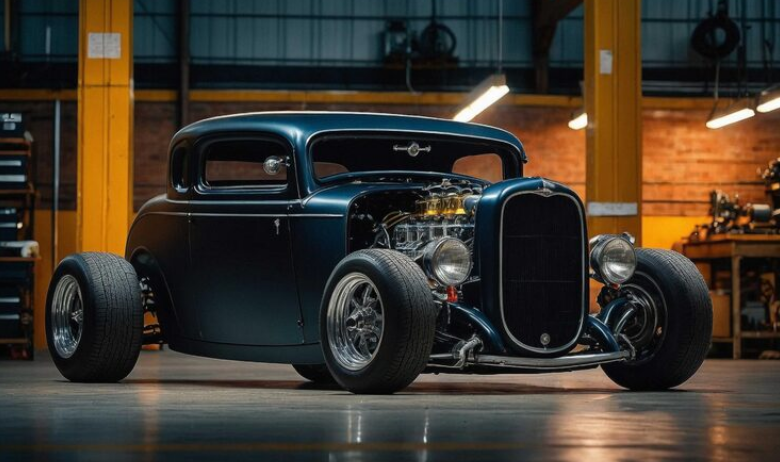
A restomod is a restored and modified vehicle that maintains its classic appearance while incorporating modern mechanical systems, technology, and comfort features.
Unlike traditional restorations, which focus on returning vehicles to factory-original condition, restomods introduce contemporary improvements.
Electric restomods take this concept further by replacing gasoline or diesel engines with electric motors and battery systems.
These conversions allow vintage cars to benefit from smoother acceleration, reduced mechanical complexity, and quieter operation without sacrificing their iconic designs.
How Electric Drivetrain Conversions Work
Transforming a classic automobile into an electric restomod requires careful planning and engineering.
1. Evaluating the Original Chassis
The process begins with examining the vehicle’s chassis, structural integrity, and suspension system.
Older vehicles were designed around combustion engines, fuel tanks, and traditional transmissions. Electric components introduce different weight distributions and mounting requirements.
Engineers must determine whether the existing structure can safely accommodate batteries, electric motors, and associated equipment.
2. Removing the Combustion Engine
The original engine, fuel system, exhaust components, and unnecessary mechanical equipment are removed.
This creates space for electric drivetrain components while reducing maintenance requirements associated with traditional engines.
Some builders preserve removed components to maintain the possibility of restoring the vehicle to its original configuration.
3. Installing Electric Motors and Batteries
Electric motors can be connected to existing drivetrain components or integrated into a completely redesigned powertrain.
Battery packs are positioned strategically to maintain vehicle stability, safety, and balance.
Depending on the design, batteries may occupy the former engine compartment, transmission tunnel, or fuel tank area.
Proper cooling, electrical insulation, and protective structures are essential for safe operation.
4. Upgrading Supporting Systems
Electric conversions often require improvements to braking systems, suspension components, steering, and electrical infrastructure.
Modern charging ports, battery management systems, and digital monitoring equipment may also be installed.
These upgrades help ensure that the finished vehicle delivers reliable and enjoyable performance.
Benefits of Electric Classic Car Restomods
Improved Driving Performance
Electric motors provide immediate torque, allowing classic vehicles to accelerate smoothly and responsively.
This can dramatically improve the driving experience compared with aging combustion engines.
Electric power delivery also reduces vibration and eliminates conventional engine noise.
Reduced Maintenance Requirements
Traditional classic cars frequently require oil changes, ignition adjustments, exhaust repairs, and other mechanical maintenance.
Electric drivetrains eliminate many of these requirements because they contain fewer moving parts.
However, batteries, cooling systems, brakes, and electrical components still require regular inspection.
Lower Operating Emissions
Electric restomods produce no tailpipe emissions during operation.
Converting an existing vehicle may also extend its useful life, potentially reducing the need for newly manufactured vehicle components.
Nevertheless, the overall environmental impact depends on battery production, conversion materials, electricity sources, and vehicle usage.
Preserving Automotive Heritage
One of the greatest attractions of electric restomods is their ability to preserve classic automotive aesthetics.
Owners can retain original body panels, interior styling, dashboards, and distinctive exterior features while enjoying modern technology.
This combination helps historic automotive designs remain relevant for future generations.
Challenges of Electric Restomod Projects
Despite their advantages, electric conversions present several challenges.
High Conversion Costs: Electric motors, battery packs, engineering modifications, and specialized labor can make conversions expensive.
Limited Battery Space: Classic vehicles were not designed to accommodate large battery packs, making component placement difficult.
Structural Requirements: Additional reinforcement may be necessary to support battery weight and meet safety requirements.
Authenticity Concerns: Some collectors prefer original engines and mechanical systems because they contribute to a vehicle’s historical identity.
Legal Compliance: Registration, inspection, insurance, and modification requirements vary depending on location.
These challenges make professional planning especially important.
The Future of Retro-Modern Electric Vehicles
Advancements in battery technology, electric motor efficiency, and modular conversion systems could make electric restomods increasingly accessible.
Specialized workshops are developing conversion solutions designed for particular classic vehicle platforms, potentially simplifying installation and improving reliability.
Future projects may also incorporate regenerative braking, improved thermal management, and advanced vehicle monitoring systems.
As interest in sustainable mobility grows, electric restomods could become an increasingly important segment of the automotive customization industry.
Conclusion
Retro-modern restomods demonstrate how classic automotive heritage can coexist with modern electric technology. By integrating electric drivetrains into carefully evaluated vintage chassis, builders can create vehicles that combine nostalgic styling with contemporary performance.
Although conversion costs, engineering challenges, and authenticity concerns remain important considerations, electric restomods offer an exciting way to extend the life of beloved automobiles.
Ultimately, these projects show that preserving automotive history does not always mean keeping every mechanical component unchanged. Sometimes, embracing innovation is what allows a classic design to continue inspiring future generations.
Read More : Bio-Pigment Painting: Crafting Living Colors from Algae, Fungi, and Minerals

1 comment