
Introduction
Electric vehicles (EVs) are transforming transportation, but their potential extends far beyond driving. With advanced battery technology and intelligent energy management systems, electric cars can now become valuable energy resources for homes and electricity networks. Vehicle-to-Grid (V2G) technology allows compatible electric vehicles to send stored electricity back to the power grid, creating new possibilities for energy efficiency and sustainability.
As renewable energy adoption increases, V2G ecosystems could change how households consume, store, and manage electricity. Instead of remaining inactive while parked, electric cars can serve as mobile energy storage systems.
What Is Vehicle-to-Grid Technology?
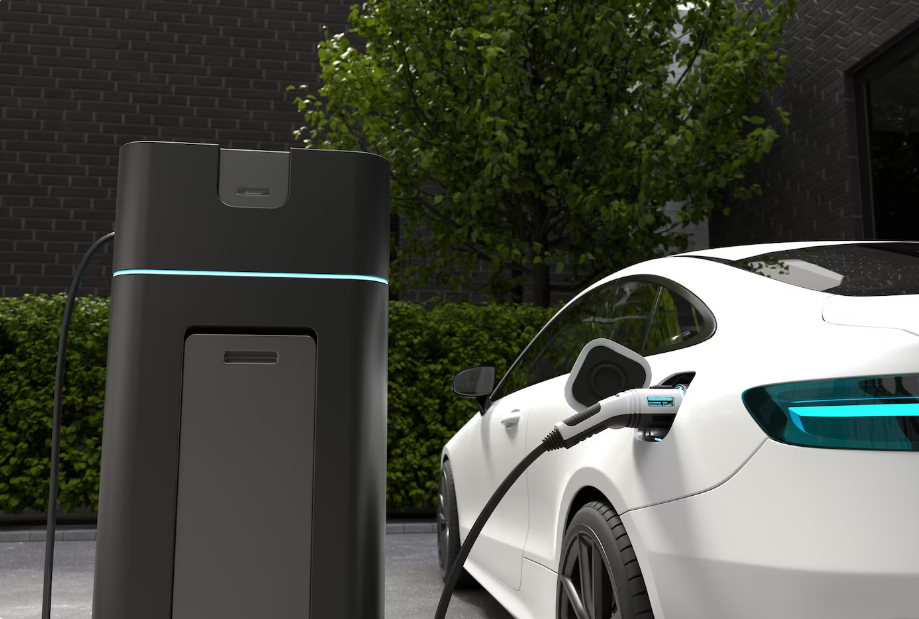
Vehicle-to-Grid technology enables two-way electricity transfer between an electric vehicle and the power grid. Unlike traditional EV charging, where electricity flows only into the battery, V2G systems allow stored energy to flow back into the grid when needed.
A related technology, Vehicle-to-Home (V2H), allows compatible electric vehicles to supply electricity directly to household appliances and electrical systems.
These technologies rely on several essential components:
- Bidirectional Chargers: Allow electricity to move into and out of compatible EV batteries.
- Smart Energy Management Systems: Monitor electricity demand, battery levels, and charging schedules.
- Grid Communication Technology: Coordinates electricity exchange between vehicles and energy providers.
- Battery Management Systems: Protect vehicle batteries by controlling charging and discharging operations.
Together, these technologies transform electric vehicles into flexible energy storage solutions.
How Electric Cars Can Power Homes
Modern electric vehicles contain large rechargeable batteries capable of storing substantial amounts of electricity. Depending on battery capacity and household electricity consumption, an EV may provide backup electricity for several hours or even multiple days.
For example, an electric car equipped with a 60 kWh battery could theoretically supply a household consuming 20 kWh daily for approximately three days. However, actual backup duration depends on conversion losses, available battery capacity, and the energy reserved for driving.
During a power outage, a properly installed V2H system can automatically or manually supply electricity to selected household circuits.
Homeowners may use this stored energy to operate:
- Refrigerators and essential kitchen appliances
- Lighting and ceiling fans
- Internet routers and communication equipment
- Computers and electronic devices
- Selected heating or cooling equipment
This capability can make electric vehicles valuable emergency backup resources.
Major Benefits of Vehicle-to-Grid Ecosystems
1. Lower Household Electricity Costs
Electricity prices can vary throughout the day. With suitable electricity tariffs, homeowners may charge their vehicles during lower-cost periods and use stored electricity when grid prices increase.
Smart charging systems can automate this process, potentially reducing household energy expenses. However, actual savings depend on electricity tariffs, equipment costs, efficiency losses, and battery degradation.
2. Better Renewable Energy Utilization
Solar panels and wind turbines generate electricity according to weather conditions rather than household demand.
V2G and V2H systems can help manage this imbalance by storing surplus renewable electricity inside EV batteries.
For example, homeowners with rooftop solar panels may charge their electric vehicles during sunny afternoons and use that electricity after sunset.
3. Improved Power Grid Stability
Electricity networks must continuously balance energy production and consumption.
When electricity demand rises, participating EVs can return limited amounts of stored energy to the grid. Aggregating electricity from many vehicles may help utilities manage peak demand and support grid stability.
4. Emergency Backup Power
Unexpected power outages can interrupt essential household activities.
Electric vehicles equipped with compatible bidirectional charging technology may provide temporary backup electricity when connected through an approved home energy system.
This additional energy source can improve household resilience during emergencies.
Challenges Facing Vehicle-to-Grid Adoption
Despite its advantages, V2G technology faces several practical challenges.
Vehicle Compatibility: Not every electric vehicle supports bidirectional charging. Compatibility depends on vehicle hardware, software, charging standards, and manufacturer approval.
Installation Costs: Bidirectional chargers and specialized electrical equipment can require significant upfront investment.
Battery Degradation: Repeated charging and discharging may contribute to battery wear. Intelligent energy management can help limit unnecessary battery cycling.
Regulatory Requirements: Grid-connected energy exports must comply with local electricity regulations, utility requirements, and safety standards.
Infrastructure Development: Wider adoption requires compatible charging equipment, communication systems, and electricity market arrangements.
Addressing these challenges will be essential for making V2G technology accessible to more households.
The Future of Intelligent EV Energy Networks
Future V2G ecosystems could connect electric vehicles, solar installations, residential batteries, and smart electricity grids through integrated energy management platforms.
Artificial intelligence may help predict household electricity consumption, renewable energy generation, and vehicle charging requirements.
For example, an intelligent system could automatically charge an EV when solar production is high, preserve enough battery capacity for daily commuting, and supply electricity during expensive peak-demand periods.
As bidirectional charging becomes more widely supported, electric vehicles could become increasingly important components of decentralized energy networks.
Conclusion
Vehicle-to-Grid technology represents an important step toward a more connected and efficient energy future. By allowing parked electric vehicles to store, supply, and exchange electricity, V2G ecosystems can support renewable energy integration, household resilience, and smarter electricity management.
Although equipment costs, compatibility limitations, and regulatory challenges remain, continued innovation could make electric cars valuable energy assets beyond transportation.
Read More : Aerodynamic Acoustic Engineering: Eliminating Cabin Noise at Highway Speeds

1 comment