
Introduction
Video games have evolved beyond traditional storytelling methods, allowing players to discover narratives through exploration and interaction. While cinematic cutscenes and dialogue remain important, environmental storytelling offers a more immersive way to communicate a game’s history, characters, and mysteries.
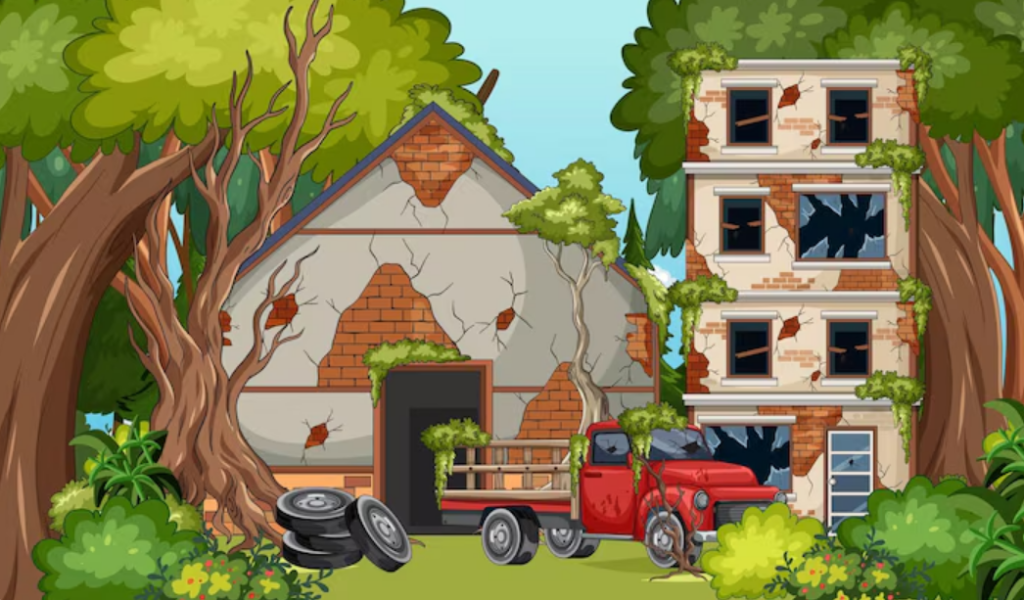
Instead of explaining every event directly, developers can transform abandoned buildings, forgotten settlements, and deteriorating environments into powerful storytelling tools. A broken window, an unfinished letter, or an abandoned laboratory can reveal meaningful details about a fictional world.
This approach encourages players to become investigators, uncovering stories through observation rather than simply watching them unfold.
What Is Environmental Storytelling?
Environmental storytelling is a game design technique that communicates narrative information through the surrounding environment.
Rather than relying entirely on dialogue, narration, or cutscenes, developers place meaningful details throughout the game world.
These details may include:
- Abandoned personal belongings.
- Damaged buildings and destroyed infrastructure.
- Handwritten notes and forgotten documents.
- Environmental changes caused by past events.
- Hidden symbols and mysterious markings.
- Objects arranged to suggest previous human activity.
Each element contributes to a larger narrative, allowing players to interpret events independently.
Why Abandoned Spaces Are Powerful Storytelling Tools
Abandoned environments naturally create curiosity because they suggest that something significant happened before the player arrived.
An empty hospital might indicate a mysterious outbreak, while a deserted research facility could suggest a failed scientific experiment.
The absence of characters encourages players to examine their surroundings carefully.
Creating Mystery Through Absence
Sometimes, what is missing becomes more meaningful than what remains.
An untouched dinner table in an abandoned home might suggest that its occupants left unexpectedly.
A child’s toy beside a damaged doorway can communicate vulnerability without requiring dialogue.
These details invite players to imagine the events that shaped the environment.
Establishing Emotional Connections
Environmental storytelling can evoke sadness, fear, nostalgia, or curiosity.
Personal belongings, family photographs, and unfinished projects remind players that fictional locations once contained meaningful lives.
Such details make abandoned spaces feel emotionally significant rather than simply decorative.
Techniques for Building Lore Through Environments
1. Using Objects as Narrative Clues
Ordinary objects can become powerful storytelling devices when placed intentionally.
For example, a locked office containing scattered documents, broken equipment, and emergency supplies may suggest a desperate attempt to escape a disaster.
Developers can establish connections between these objects to create understandable visual narratives.
2. Showing the Passage of Time
Environmental deterioration helps communicate a world’s history.
Overgrown vegetation, rusted machinery, collapsed structures, and weathered advertisements can reveal how long a location has been abandoned.
Different stages of decay may also suggest whether destruction occurred suddenly or developed gradually.
3. Creating Stories Through Spatial Design
The arrangement of rooms, corridors, and buildings can reveal information about previous occupants.
A luxurious executive office overlooking crowded worker quarters may communicate social inequality.
Similarly, reinforced doors and hidden underground chambers might suggest secrecy or dangerous experiments.
Architecture becomes a visual language that communicates the values and conflicts of a fictional society.
4. Incorporating Optional Discoveries
Not every narrative detail needs to appear along the main gameplay path.
Hidden rooms, collectible journals, and unusual environmental features can reward curious players with additional information.
Optional discoveries encourage exploration while allowing other players to progress without extensive interruptions.
Environmental Storytelling vs. Traditional Cutscenes
Traditional cutscenes deliver information directly through scripted sequences.
They are useful for establishing important events, developing characters, and communicating complex conversations.
Environmental storytelling offers a different experience by allowing players to control how they discover information.
Its major advantages include:
- Greater freedom to explore narratives.
- Stronger connections between gameplay and storytelling.
- Reduced interruptions during exploration.
- Opportunities for multiple interpretations.
- Increased replay value through hidden discoveries.
However, environmental storytelling should complement clear narrative direction rather than make essential information unnecessarily difficult to understand.
Examples of Environmental Storytelling in Games
Several influential video games demonstrate how environments can communicate meaningful narratives.
BioShock
BioShock uses the underwater city of Rapture to reveal the consequences of ambition, ideological conflict, and social collapse.
Its damaged architecture, advertisements, and abandoned living spaces communicate the city’s troubled history.
The Last of Us
The Last of Us uses abandoned homes, ruined streets, and personal belongings to illustrate the human consequences of a devastating outbreak.
Small environmental details help players understand the experiences of people who disappeared long before the main characters arrived.
Hollow Knight
Hollow Knight builds much of its mysterious history through ruined kingdoms, architectural details, and environmental discoveries.
Players gradually understand the world by exploring locations and connecting scattered narrative clues.
Challenges of Environmental Storytelling
Creating effective environmental narratives requires careful planning.
If clues are too subtle, players may overlook important information. Conversely, excessive environmental details can make locations feel artificial.
Developers must balance mystery with clarity.
Visual consistency is equally important because objects, architecture, and environmental damage should support the established history of the game world.
Accessibility also matters. Important narrative information should not depend entirely on tiny visual details that some players may struggle to notice.
The Future of Environmental Storytelling
Advances in game engines, artificial intelligence, and interactive world design could create increasingly responsive storytelling environments.
Future games may feature locations that change according to player decisions, leaving visible evidence of previous actions.
Procedural world generation could also help create varied environments, although meaningful storytelling will still require thoughtful narrative design.
These innovations may allow players to experience fictional histories in more personalized and interactive ways.
Conclusion
Environmental storytelling transforms abandoned spaces into meaningful sources of narrative information. Through carefully arranged objects, architectural details, and signs of past events, developers can communicate complex histories without relying entirely on cutscenes.
This approach encourages curiosity, rewards exploration, and strengthens emotional connections with fictional worlds.
As video game design continues evolving, environmental storytelling will remain a valuable technique for creating immersive experiences where every forgotten room, damaged structure, and hidden object has a story to tell.
Read More : Unscripted Improv Podcasts: The Rise of Collaborative Audio Fiction
